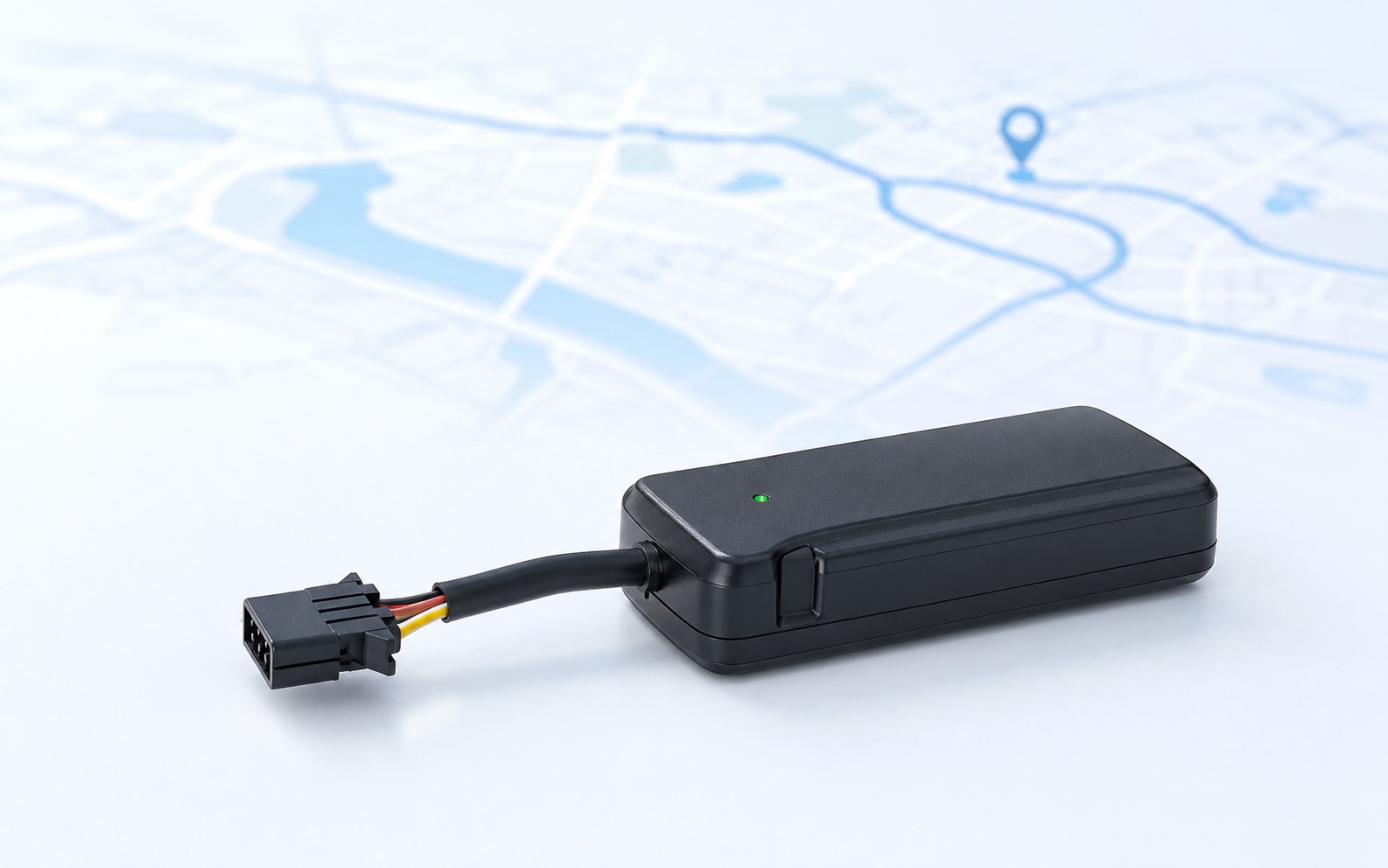
Lite Trackers
Light+ 2G tracker option for simple vehicle visibility, route history, ignition events and basic fleet monitoring.
View details →
Telematics hardware
We help choose the right BCE Telematics hardware based on what you need to monitor: vehicles, drivers, cargo, fuel, temperature, video events, CAN/FMS data and field equipment.
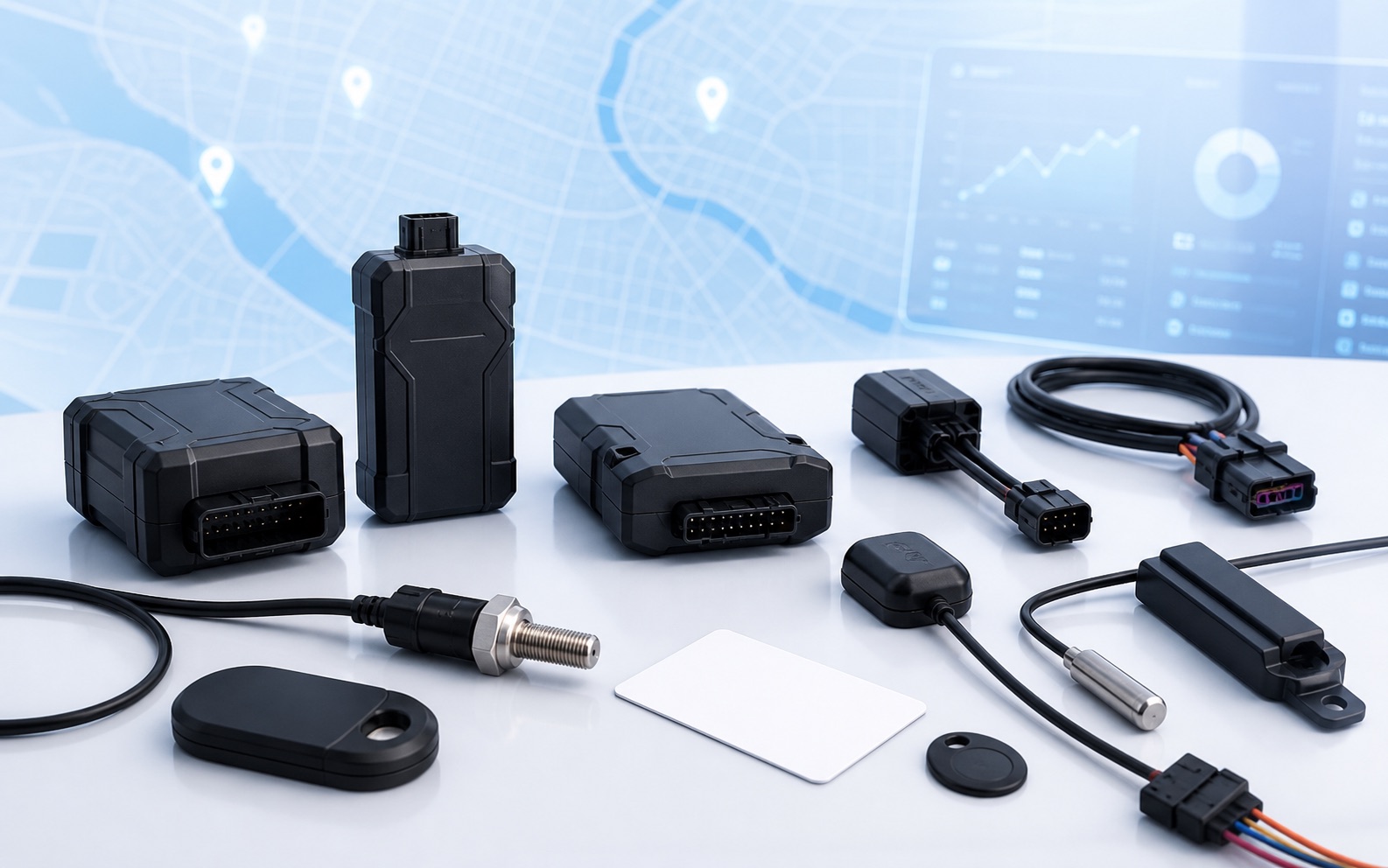
Hardware family
BCE Telematics hardware covers vehicle trackers, MDVR devices, sensors, CAN/FMS equipment, RFID and additional accessories that help collect reliable data from the field.
The IoT site focuses only on physical devices, sensors, accessories and video telematics hardware.
Light+ 2G tracker option for simple vehicle visibility, route history, ignition events and basic fleet monitoring.
View details →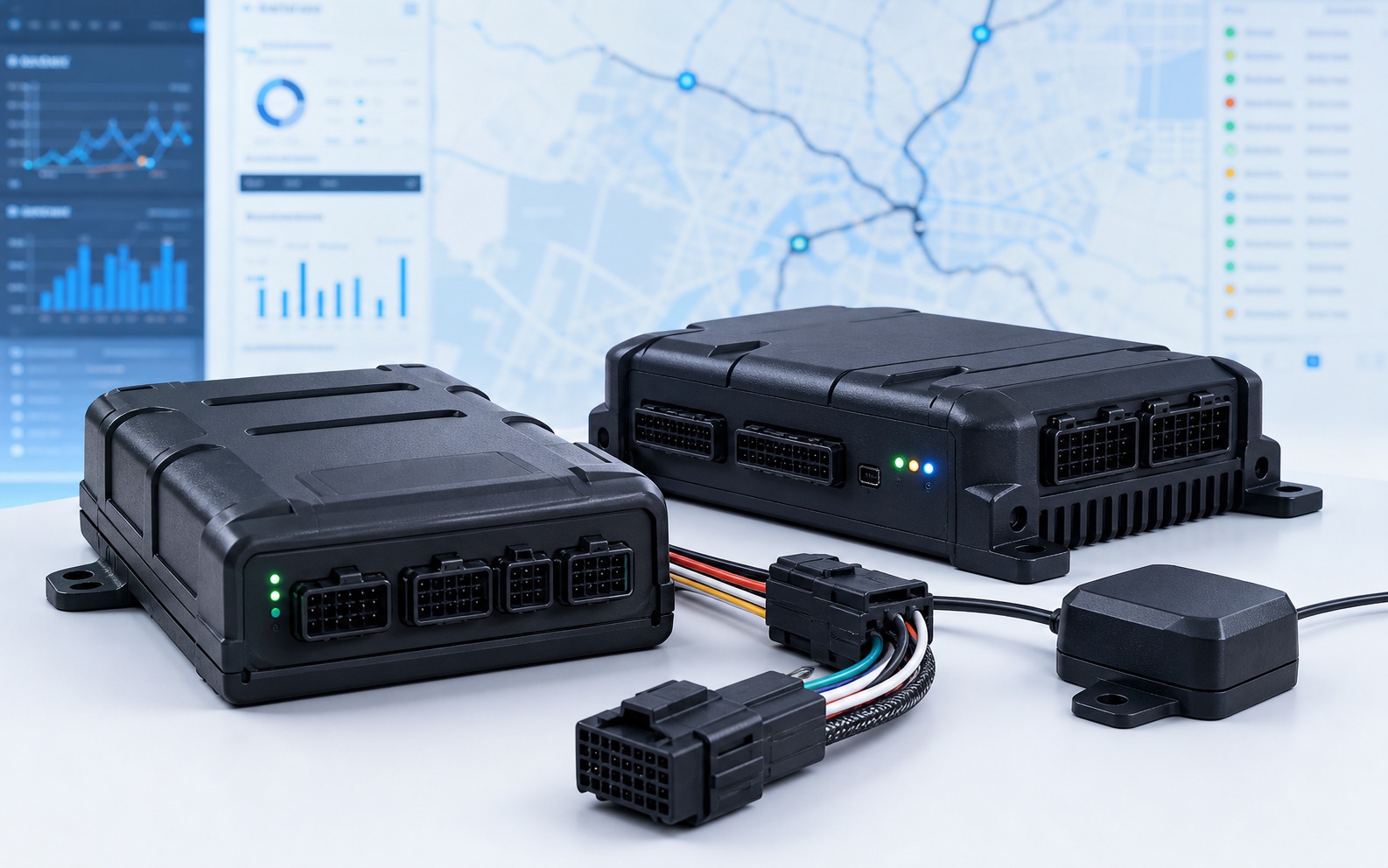
Professional tracker family for vehicles that need CAN data, I/O, BLE accessories, driver identity, geofences and remote configuration.
View details →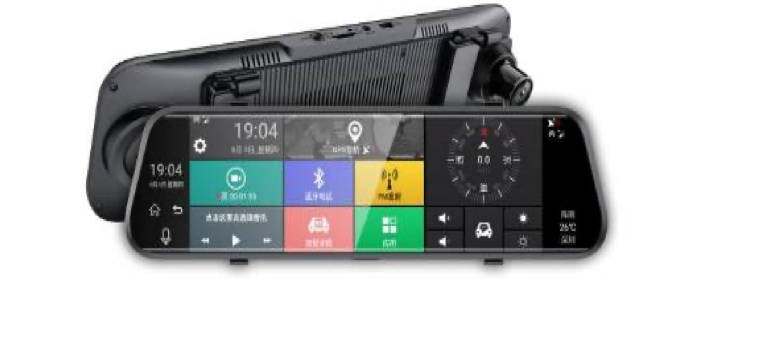
Rear-view mirror style Android car DVR for fleets that need in-cab display, camera view and video event support.
View details →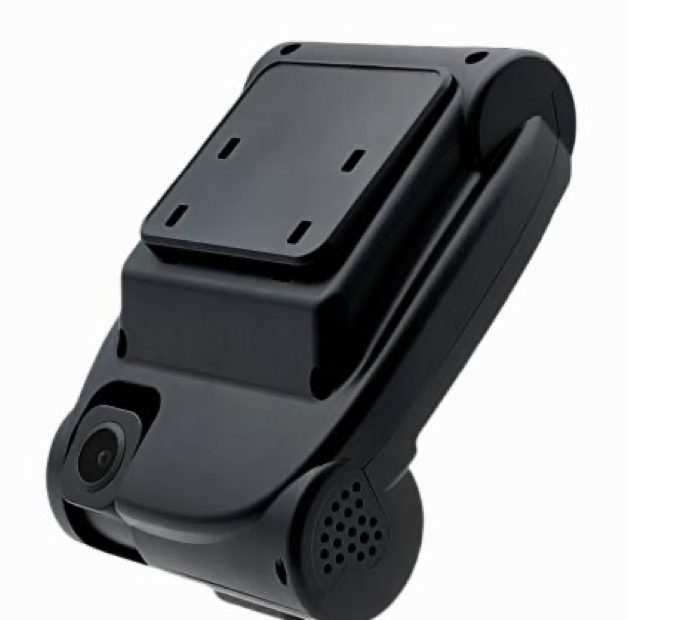
Dual-camera dashboard device for fleet video projects that need road and cabin-facing evidence in one compact unit.
View details →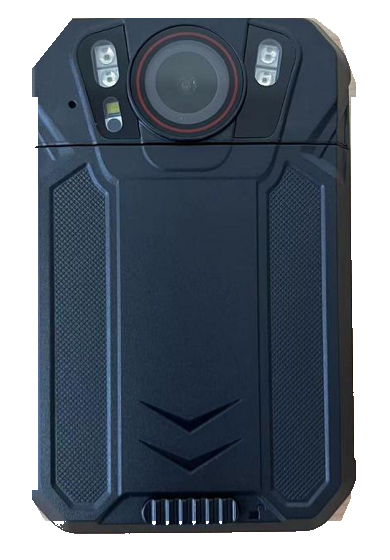
Rugged body worn camera with Android system, 4G, WiFi, Bluetooth, GPS and SOS/PTT support for field teams.
View details →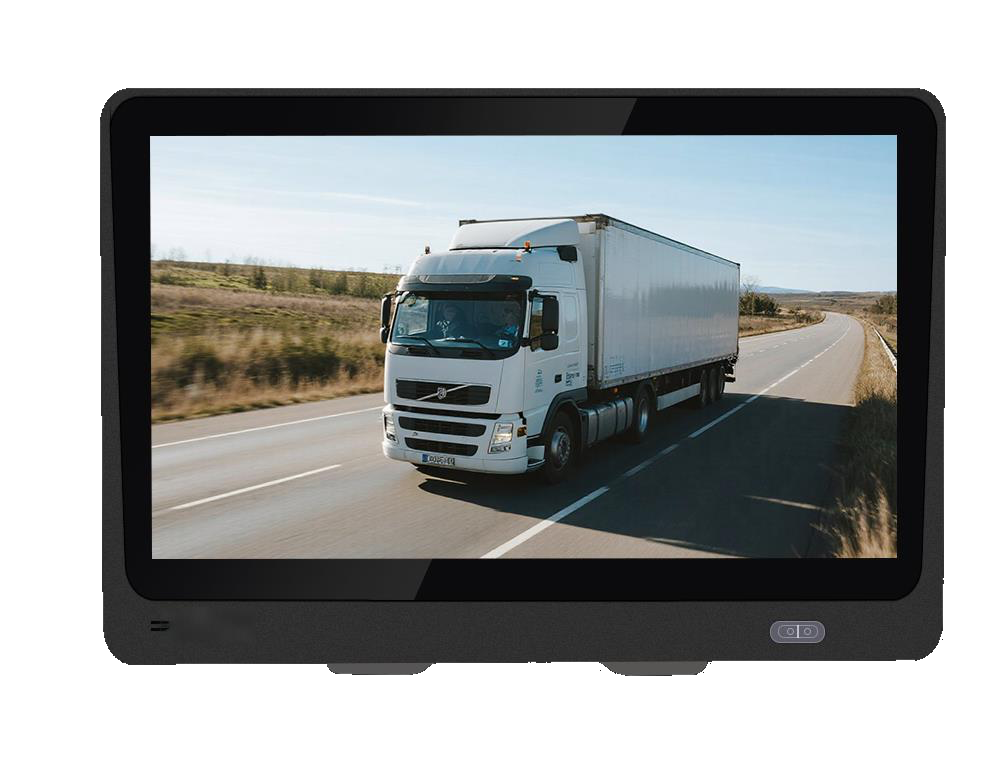
5-channel all-in-one driving assistance and video unit for vehicles that need several camera inputs in one device.
View details →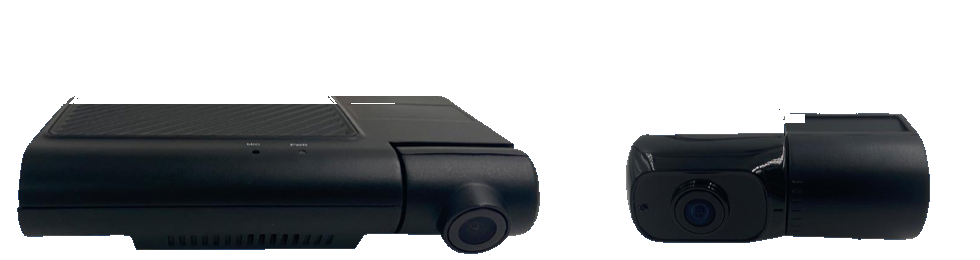
4G AI dashcam for vehicle video, incident evidence and driver safety review workflows.
View details →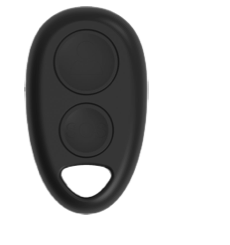
Compact BLE button used by BCE Telematics for SOS/panic workflows and engine block control logic.
View details →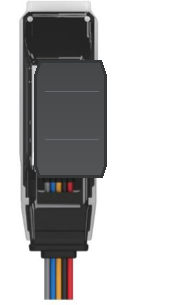
Compact BLE 5.0 relay for remote relay control, engine-block style workflows and connected accessory switching.
View details →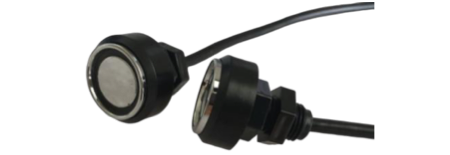
iButton reader options for 1-Wire accessory workflows, available in several housing and indicator variants.
View details →Video telematics explained
For less technical teams, video telematics means cameras and recorders connected to the fleet platform. The system helps show what happened on the road, around the vehicle or inside the cabin, so incidents can be reviewed with facts instead of guesses.
ADAS uses road-facing cameras, visual sensors and software algorithms to watch the road, detect hazards such as lane departure or short following distance, and warn the driver or fleet team before risk becomes an accident.
DMS focuses on the driver. It can help detect signs such as distraction, fatigue, phone use or looking away from the road, then create alerts for coaching and safer driving behaviour.
BSD helps monitor areas around the vehicle that are hard for the driver to see. It is useful for trucks, buses and vans where side or rear blind spots can create risk during turns, lane changes or low-speed manoeuvres.
AI in video telematics means the camera system can recognise patterns in footage, such as risky events or driver behaviour, so teams do not need to manually watch every recording.
Selection logic
The same fleet can need simple trackers for standard vehicles, advanced trackers for CAN and I/O data, MDVR for video evidence, sensors for fuel or temperature and accessories for driver or asset workflows. We define the data source first, then select the practical hardware set.
Get hardware adviceInstallation and data quality
Installation, power wiring, sensor calibration, event configuration and platform setup decide whether telematics data is reliable. We connect the device side with the reporting side.